Hawaii firearm laws
Review Hawaii-specific rules rather than relying on practices accepted elsewhere.
Review this topic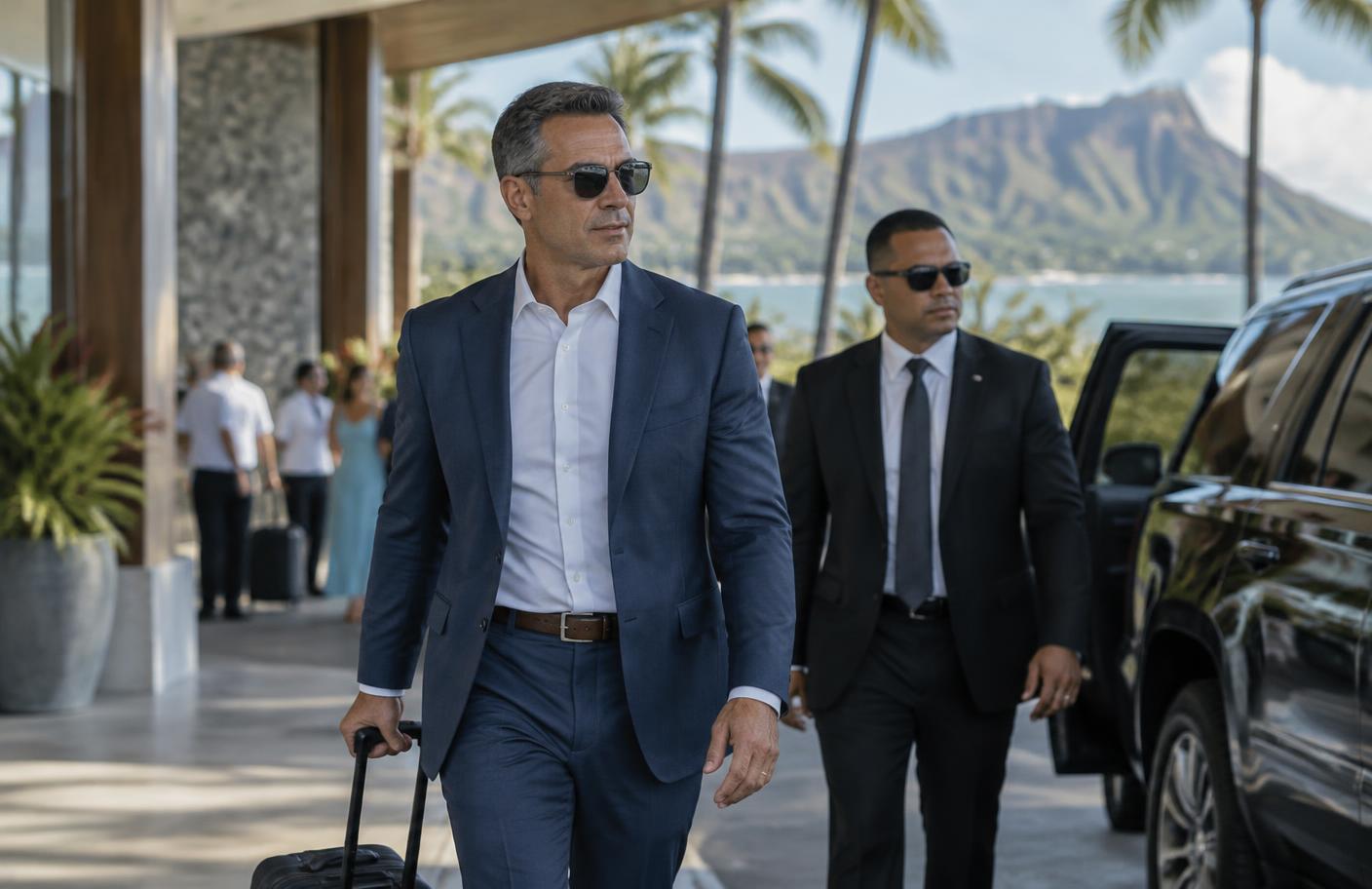
For Protection & Security Professionals
Professionals traveling to Hawaii for protective or security assignments face a different planning problem than the typical concealed-carry applicant. Hawaii has its own firearm laws, licensing procedures, training requirements, and local processes. Hawaii License to Carry helps professionals understand the LTC pathway, prepare for applicable training and live-fire requirements, and identify questions to resolve before an assignment.
Independent resource. HawaiiLicenseToCarry.com is an independent firearms education and training resource operated by Safehouse Defense, LLC. We are not a government agency and do not issue Hawaii Licenses to Carry. Licenses are issued by the appropriate Hawaii county police department.
Advance planning
Professionals accustomed to operating across multiple states should not assume an out-of-state carry permit, training credential, or professional credential satisfies Hawaii requirements. Preparation should begin well before travel.
Review Hawaii-specific rules rather than relying on practices accepted elsewhere.
Review this topicIdentify the application pathway and current procedures relevant to your circumstances.
Review this topicPrepare for applicable education, proficiency, and documentation requirements.
Review this topicResearch sensitive places, carry restrictions, registration or acquisition considerations, and official sources.
Review this topicA necessary distinction: firearm possession, carry authority, and a Hawaii License to Carry are separate from any employment, guard, security, business, or professional license that may apply. An LTC alone does not authorize someone to work armed in Hawaii.
Professional applicants
Hawaii’s licensing and training requirements should not be approached as a single universal standard. Depending on the applicant’s status and the applicable county requirements, professional applicants may encounter different documentation, training, or firearms-proficiency requirements than other civilian applicants. This distinction can be particularly important for private detectives, guards, armed security personnel, Executive Protection professionals, and others preparing to work armed in Hawaii.
Determine the training, testing, live-fire, instructor, and documentation requirements applicable to the civilian LTC application pathway.
Determine whether your occupation, professional licensing status, or intended armed employment places you within a professional applicant category subject to different training, qualification, or documentation requirements. In Honolulu, detectives, private detectives, investigators, and guards use HPD-150A, the License to Carry application for Armed Guards/Detectives. Not every Executive Protection professional falls within that category, and an LTC does not by itself authorize armed professional employment.
Professional credentials should not be assumed to transfer.
A guard card, security license, firearms qualification, law-enforcement credential, professional license, or carry permit issued by another jurisdiction should not automatically be treated as satisfying Hawaii requirements. Applicants should verify the requirements applicable to their specific circumstances with the appropriate Hawaii authorities.
Live-Fire Planning
Applicants should determine which firearms-proficiency and qualification requirements apply to their specific pathway before scheduling live fire. Applicable course-of-fire, firearm, scoring, instructor, and documentation requirements should be confirmed using current official requirements. For professionals preparing for an assignment, this should be addressed during advance planning rather than after arriving in Hawaii.
Review Hawaii Live-Fire RequirementsBuilt around the professional traveler
Use this sequence to organize Hawaii-specific questions, records, training, and travel decisions.
Determine which Hawaii requirements and county procedures may apply to your circumstances.
Understand Hawaii-specific rules affecting the firearm you intend to possess or carry.
Prepare for Hawaii-specific education and training requirements that apply to your pathway.
Understand applicable proficiency, instructor, and documentation requirements before scheduling.
Keep training, firearm, identification, travel, and application records organized.
Verify current carry restrictions and any separate professional, employment, security, or business requirements before beginning work.
Multi-state professional education
Executive Protection and security professionals often travel across jurisdictions and may benefit from maintaining multiple state-specific carry credentials and training. Safehouse Defense develops education involving Hawaii, California, Arizona, and Utah while respecting each jurisdiction’s separate requirements.
Coordinate the professional’s training experience without blurring the individual requirements of each jurisdiction.
No single course, license, or permit should be assumed to satisfy every state.
Explore Multi-State TrainingProfessional education philosophy
Professional preparation connects lawful authority with sound judgment, current knowledge, and disciplined practical skills. This is education—not operational protection tactics or security-employment licensing.
Situational awareness
Avoidance and de-escalation
Judgment and use-of-force education
Firearm safety and practical proficiency
Legal awareness and documentation
Professional preparation
Developing professional training
Safehouse Defense is developing and coordinating additional Hawaii and multi-state educational opportunities for professional protectors and security professionals. Tell us what would support your assignments and continuing education.
Specific instructors, locations, dates, approvals, partners, and delivery methods will be shared only after they are finalized and appropriate for publication.
Safehouse positioning
Safehouse Defense develops firearms education, multi-state concealed-carry training, and online and blended learning programs. The emphasis is on coordinating education across jurisdictions while respecting the individual requirements of each one.
Professional questions
Use these answers as a starting point, then confirm current legal, county, and professional requirements with authoritative sources.
Information provided by HawaiiLicenseToCarry.com is for general educational purposes and is not legal advice. Laws, rules and administrative procedures can change. Students and applicants should verify current requirements with the appropriate Hawaii government agency.